Views: 9 Author: Site Editor Publish Time: 2026-03-09 Origin: Site
What Is In-House Plastic Recycling?
In-house plastic recycling refers to the process of recycling plastic waste generated during manufacturing directly within the production facility. This process is closely related to Post-Industrial Recycling (PIR), which involves collecting and reprocessing plastic scrap produced during industrial manufacturing operations.
Unlike post-consumer recycling, PIR focuses on clean, production-related plastic waste. When PIR materials are processed and reused inside the same factory, it is called in-house recycling. This approach helps plastic manufacturers improve sustainability, reduce operational costs, and increase production efficiency.

What Types of Post-Industrial Plastic Waste Are Suitable for In-House Recycling?
Plastic manufacturers generate various types of production scrap that are ideal for recycling. Common examples of post-industrial recyclable plastics include:
T-shirt bag edge trims and scrap materials
HDPE and LDPE plastic films
Printed and non-printed plastic films
Raffia scrap and woven bag waste
Blow film production trim waste
Injection molding runners and rejected molded parts
Extrusion and blown film process scrap
These materials are typically clean and uniform, making them highly suitable for plastic pelletizing and reprocessing.
Why Plastic Manufacturers Should Adopt In-House Recycling
With rising global polymer prices and increasing environmental regulations, more plastic manufacturers are turning to in-house recycling solutions. Reprocessing plastic scrap into reusable pellets allows companies to reduce raw material consumption while improving sustainability performance.
Below are four major advantages of implementing in-house plastic recycling systems.
1. In-House Recycling Reduces Costs and Saves Time
When manufacturers outsource plastic recycling, they must sort, store, and transport plastic waste to external recycling facilities. This process involves transportation costs, recycling service fees, and additional handling time.
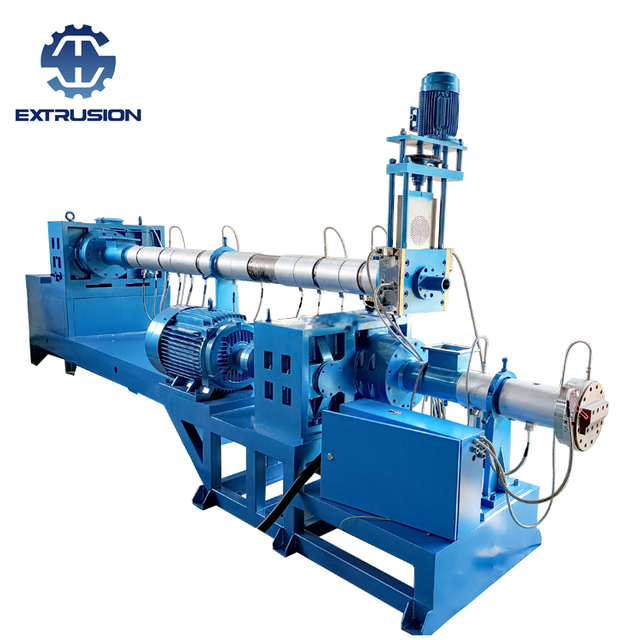
In contrast, in-house recycling eliminates outsourcing expenses and significantly reduces logistics costs. By installing plastic recycling and pelletizing machines within the factory, manufacturers can directly convert production scrap into reusable plastic pellets. This not only shortens production cycles but also minimizes storage space requirements and improves operational efficiency.
2. Supports the Development of a Circular Economy
Governments and environmental organizations increasingly encourage manufacturers to incorporate recycled materials into plastic production. Using recycled plastic helps companies reduce dependence on virgin polymers, lower carbon emissions, and meet sustainability targets.
In particular, manufacturers of plastic films and packaging products must comply with regulatory requirements in many countries that mandate minimum recycled content. By utilizing their own PIR plastic materials, manufacturers can achieve compliance more efficiently and cost-effectively while strengthening their participation in the circular economy.
3. Improves Quality Control and Product Consistency
Stable recycling equipment combined with consistent raw material input can produce recycled plastic pellets with uniform quality. However, externally sourced recycled plastics may vary in composition and performance, which can negatively impact final product quality.
In-house recycling offers superior quality control because manufacturers are fully aware of the source, composition, and cleanliness of their production scrap. By avoiding contamination and moisture issues, manufacturers can produce high-quality recycled pellets that maintain consistent mechanical and processing properties. These recycled materials can often be reintroduced directly into the production line without compromising product performance.
4. Creates Additional Economic Value
As global plastic resin prices continue to increase, recycled plastic pellets are becoming more valuable in the marketplace. Even if manufacturers cannot utilize 100% recycled material internally, they can sell excess recycled pellets as a profitable secondary product.
Many industries, including injection molding and blown film manufacturing, widely use recycled plastics such as PE and PP recycled pellets. These recycled materials are commonly applied in:
Detergent and chemical bottles
Battery casings
Plastic brooms and household products
Pipes and construction materials
Furniture and toys
Recycling bins and waste containers
By converting production waste into marketable recycled materials, manufacturers can generate new revenue streams while reducing environmental impact.
Conclusion
In-house plastic recycling is becoming a critical strategy for modern plastic manufacturers. By adopting advanced plastic recycling and pelletizing systems, companies can reduce costs, improve production efficiency, maintain consistent product quality, and support sustainable manufacturing practices.
As global demand for recycled plastics continues to grow, implementing in-house recycling not only enhances competitiveness but also positions manufacturers as responsible contributors to the circular plastics economy.

NANJING HAISI is professional manufacturer of Plastic Extruder Machine, we supply Twin Screw Extruder, Single Screw Extruder, Plastic Recycling Extruder, Two Stage Extruder, Lab Scale Extruder, Mixing and Feeding Machine, Cooling and Pelletizing Machine, Crushing Machine and so on.