
Views: 17 Author: Site Editor Publish Time: 2026-03-19 Origin: Site
Plastic pellet production requires strict control over raw material preparation, processing parameters, equipment operation, and quality inspection. Proper management of these factors ensures stable pellet quality, high production efficiency, and long-term equipment reliability. Below are the most critical aspects manufacturers must monitor during plastic pellet manufacturing.
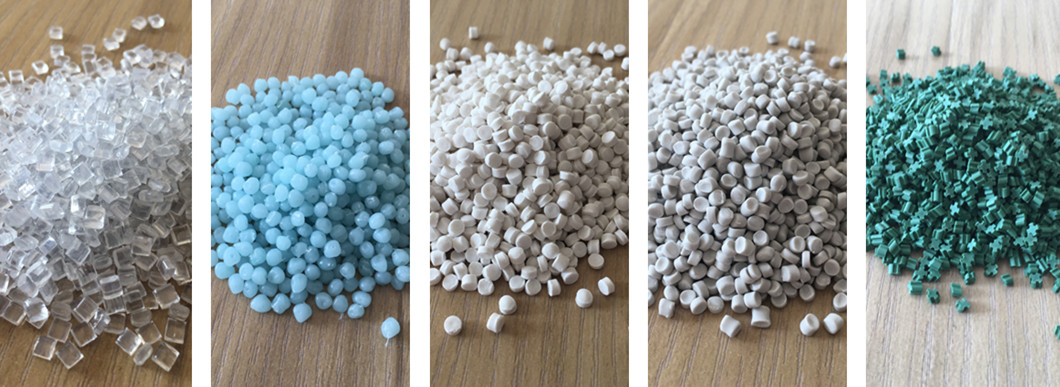
1. Raw Material Pretreatment
Proper raw material preparation is the foundation of stable pellet production and directly affects final product quality.
Material Sorting and Contamination Control
Raw materials must be carefully sorted to remove metal fragments, sand, textile fibers, and other contaminants. Impurities can severely damage screws, barrels, and dies while negatively impacting pellet performance. Different plastic grades and polymer types should be processed separately to prevent cross-contamination and inconsistent material properties.
Material Drying Requirements
Moisture control is essential in plastic pelletizing. For example, polyethylene (PE) moisture content should typically be maintained below 0.05%. Excess moisture can cause bubbles, surface defects, and unstable melt flow. Drying is usually performed using industrial dryers at temperatures between 80°C and 100°C for 2–4 hours, depending on material type and moisture level.
2. Extrusion Process Parameter Control
Precise process parameter control is essential for achieving uniform melting, stable extrusion, and consistent pellet size.
Temperature Profile Settings
Extrusion temperatures should be adjusted according to polymer characteristics such as melting point, viscosity, and thermal stability. Using polyethylene as an example, barrel temperatures typically range from 160°C to 190°C, gradually increasing from the feeding zone to the die head.
Temperatures that are too low can result in poor plasticization and uneven pellets.
Excessively high temperatures may cause polymer degradation, carbonization, or discoloration.
Screw Speed and Feeding Rate Matching
The screw rotation speed must be properly matched with the feeding rate. Overfeeding may cause material blockage, while excessive screw speed can generate excessive shear heat, leading to polymer degradation and unstable melt quality.
Stable Melt Pressure Control
Maintaining consistent die head pressure is critical. Large pressure fluctuations can lead to uneven pellet diameter and unstable downstream processing performance.
3. Equipment Operation and Maintenance
Proper equipment operation and regular maintenance are essential for ensuring production stability and extending machine service life.
Startup and Shutdown Inspection
Before starting production, operators should check key components including screws, barrels, pelletizers, and cooling systems. All transmission parts must be properly lubricated. After production stops, residual materials inside the barrel and die head must be cleaned immediately to prevent material carbonization during the next startup.
Pelletizing and Cooling Control
During pelletizing, the cutting speed must be synchronized with haul-off speed to ensure uniform pellet size.
For water-cooling strand pelletizing, cooling water temperature should be controlled between 20°C and 30°C to allow rapid pellet solidification and prevent sticking.
For air-cooled hot cutting systems, sufficient airflow is necessary to avoid pellet discoloration or deformation.
4. Quality Control and Production Safety
Strict quality inspection and safe production practices are essential to maintaining consistent pellet performance and protecting workers.
Pellet Quality Inspection
Pellets should be regularly tested for appearance and dimensional accuracy. Key quality indicators include:
Bubble-free and impurity-free surface
Uniform color and consistent shape
Pellet diameter tolerance typically within ±0.5 mm
Additionally, laboratory testing such as Melt Flow Rate (MFR) and density measurement should be conducted periodically to verify that pellets meet product specifications.
Workshop Safety and Environmental Control
Production workshops must maintain proper ventilation and dust removal systems to prevent plastic dust accumulation and potential safety hazards. Operators should wear protective gloves and safety equipment when working with high-temperature machinery to prevent burns and injuries.
Conclusion
Producing high-quality plastic pellets requires comprehensive control over material pretreatment, extrusion parameters, equipment operation, and quality management systems. By optimizing these core production factors, manufacturers can improve pellet consistency, reduce production defects, enhance operational safety, and ensure reliable downstream processing performance.

NANJING HAISI is professional manufacturer of Plastic Extruder Machine, we supply Twin Screw Extruder, Single Screw Extruder, Plastic Recycling Extruder, Two Stage Extruder, Lab Scale Extruder, Mixing and Feeding Machine, Cooling and Pelletizing Machine, Crushing Machine and so on.


