Views: 10 Author: Site Editor Publish Time: 2026-08-13 Origin: Site
Many factory managers fall into the ultimate cost-saving trap: "We are switching to Nylon next, so just run some low-melt-index PE through the barrel of the plastic pelletizing machine to push the old material out."
This is a dangerous misconception. Standard production resins and regrind have absolutely zero chemical or mechanical cleaning properties. You might think the barrel is clean because the extrudate looks clear, but in reality, the new resin is simply layering itself over the existing residual polymer, colorants, and carbon deposits. Over time, these layers bake onto the screw elements under high heat. Eventually, this carbonized crust will flake off during normal production, flooding your final product with black spots and causing massive customer rejections.
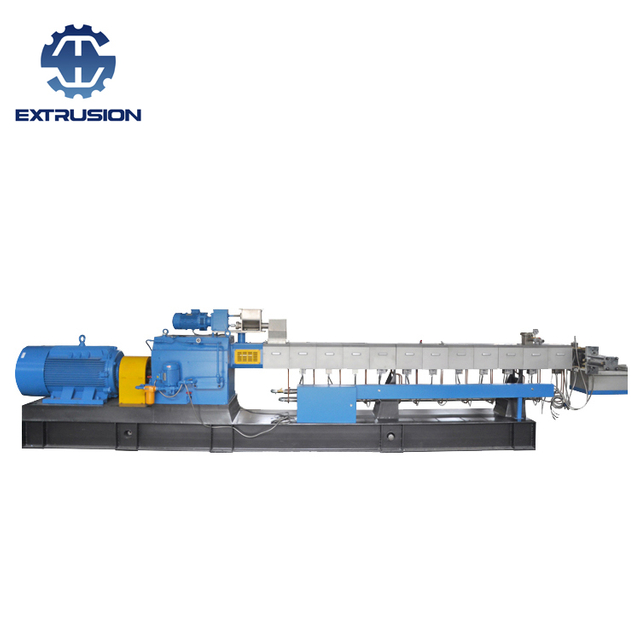
You cannot just grab a random bucket of purging material and expect miracles. Before cleaning your co-rotating twin screw extruder, you must evaluate five factors:
What is the screw diameter of the equipment?
What is the primary production resin?
What is your normal processing temperature?
What is the goal? (Color change, carbon removal, or pulling the screws from the machine?)
What is the specific bottleneck on the floor right now?
Once you answer these, you can choose between two main technologies:
Mechanical Purging Compounds: These rely on hard physical scrubbing. Containing specialized abrasives, they act like a wire brush inside the pressurized melt channels to scour the internal metal surfaces of the polymer compounding equipment.
Chemical Purging Compounds: These are the ultimate weapon against "low-pressure dead zones." After being fed into the barrel, they require a soak time. Under heat, they trigger a chemical reaction that releases expanding gases to soften and peel away stubborn carbon build-up from complex kneading blocks.
Many compounding plants only think about cleaning when their plastic pelletizing machine is already producing contaminated pellets. Experienced engineers utilize "preventative purging."
Do not wait for the equipment to become heavily contaminated. Run one or two barrel capacities of a professional purging compound at regular intervals during production gaps. This flushes out fresh colorants and early-stage degradation before they can harden into carbon. Do not rely on the "self-wiping" nature of a twin-screw compounding extruder; the extreme localized shear heat naturally causes degradation, and self-wiping cannot reach the dead zones to clear it out.
Every compounding plant eventually has to pull screws from their extruder—whether to guarantee zero cross-contamination or to reconfigure the screw profile. Historically, this meant hauling out a blackened screw and forcing technicians to relentlessly blast it with blowtorches and scour it with wire brushes. This risks severe burns and can easily scratch or warp expensive machine parts.
By using a dedicated "screw-pulling compound," you can slash downtime by up to 90%. When fed into the machine right before shutdown, this specialized compound bonds heavily to the residual polymer while drastically reducing its adhesion to the metal screw surface. When you pull the screw out of the twin screw compounding extruder, the residue acts like a brittle shell that easily cracks and flakes off.

Monday mornings are notoriously painful for compounding supervisors. After a plastic pelletizing machine sits idle over the weekend, the residual polymer inside the hot barrel oxidizes upon contact with the air. When the equipment starts up, it spends half the shift spitting out degraded black material.
The correct protocol is Shutdown Sealing. Before turning off the machine for a weekend or holiday, fill the barrel with a high-thermal-stability purging compound and shut the power off. This creates an airtight, anti-oxidation seal inside the barrel. On Monday morning, simply heat the machine back up, push the purge plug out with your production resin, and start making premium pellets immediately.
A twin-screw compounding extruder is an incredibly capable machine, but it is inherently a low-pressure system compared to the high-pressure turbulence found in injection molding equipment.
Venting zones, low-shear mixing blocks, and the die head are notorious "low-pressure dead zones." Standard resins flow right past these areas without disturbing the degraded material trapped within. Therefore, you must strictly follow the recommended parameters (RPM, temperature, feeding method) for the machine. Pro-Tip: Industry experts highly recommend "plug feeding" (feeding the purge in intermittent, heavy bursts). This creates pressure spikes inside the machine that clean the dead zones faster while using less material.
Specialty engineering plastics (like PEEK or PEKK) and heat-sensitive resins (like PVC or EVOH) sit at opposite ends of the spectrum. You cannot treat them with a one-size-fits-all approach in your polymer compounding equipment.
Ultra-High-Temp Plastics (PEEK): Processing temperatures often reach 400°C. You must use a specialty purge compound designed to survive this heat. The key here is "step-down cooling." First, purge the PEEK at its processing temperature. Once clear, continue feeding the purge while incrementally dropping the barrel temperatures down to standard resin levels.
Heat-Sensitive Resins (PVC): These materials will rapidly degrade and carbonize if left idling in the barrel of the extruder. The golden rule is quick extraction. Never blindly raise the barrel temperatures! Use a highly reactive chemical purge compound at the PVC's exact processing temperature to flush the barrel entirely.
To any factory manager or chief engineer: Maintaining your plastic pelletizing machine with professional purging compounds is never an "expense"; it is a guaranteed investment. Using regrind or cheap scrap to flush a machine might seem like free material, but when you calculate the skyrocketing labor costs, wasted energy during downtime, lost equipment capacity, and the catastrophic risk of customer returns, you realize it is the most expensive cleaning method possible. Standardize your workshop protocols, protect your machinery, and start extracting hidden profits from your production floor.

NANJING HAISI is professional manufacturer of Plastic Extruder Machine, we supply Twin Screw Extruder, Single Screw Extruder, Plastic Recycling Extruder, Two Stage Extruder, Lab Scale Extruder, Mixing and Feeding Machine, Cooling and Pelletizing Machine, Crushing Machine and so on.